
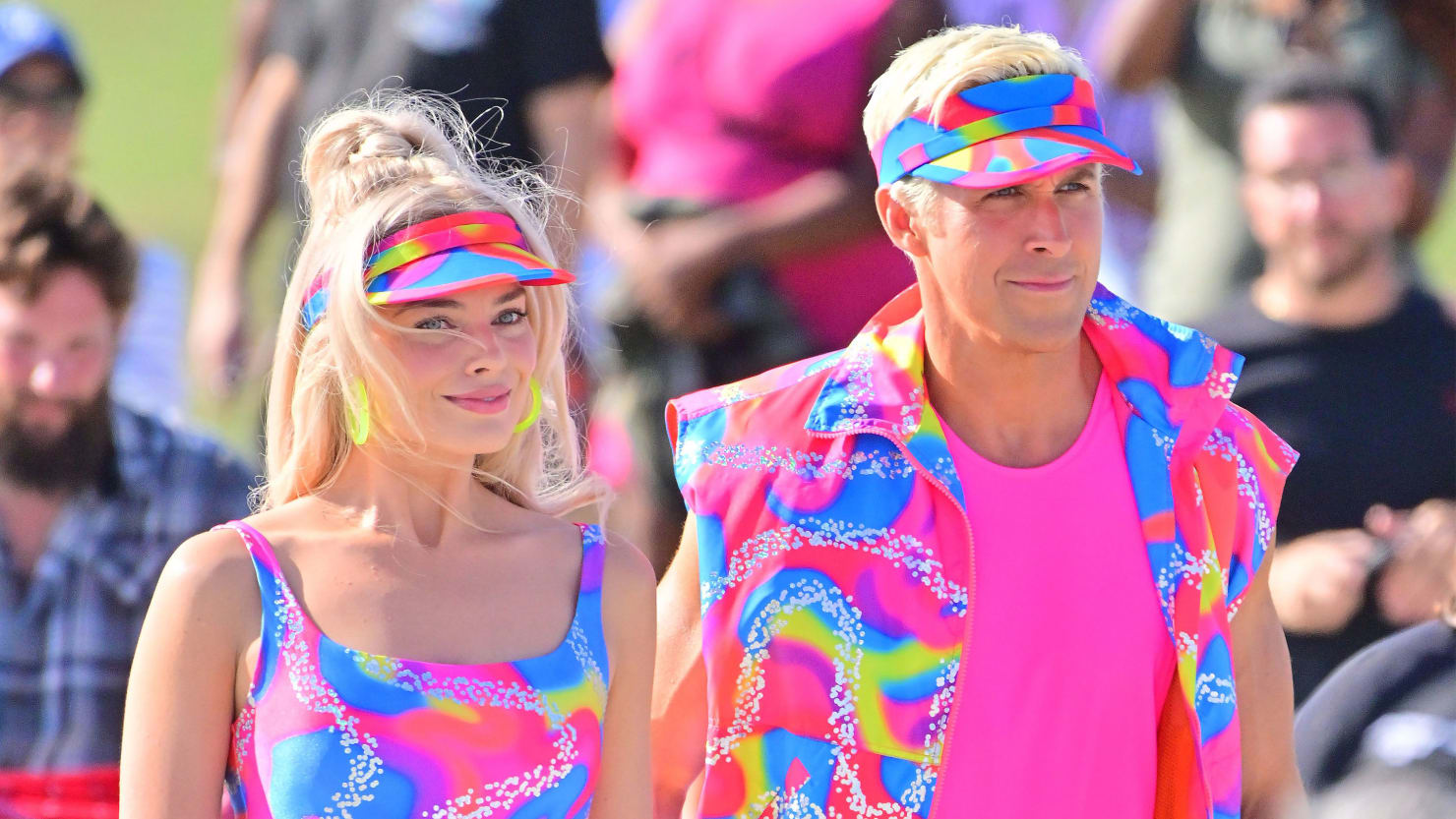
As a little girl, I grew up playing with Barbie dolls and I absolutely loved them. In fact, my love for Barbie playtime later turned into my passion for writing stories.
The situations I would imagine while playing with Barbies became ideas I wanted to write down on paper.
Around age 11 or 12, I transitioned from making my Barbies act out various scenarios to directly writing my ideas down with hopes of getting them published one day.
I’m all grown up in my late 20s, and my excitement over the Barbie movie (starring Margot Robbie and Ryan Gosling) was undeniable as I waited for the premiere.
As sad as this is to say, I feel that the Barbie movie sort of missed the mark when it comes to a hot-button topic like feminism.
The way Barbie dolls have impacted society over the last several decades wasn’t really covered with enough depth, either.
If you haven’t seen the movie yet for yourself, don’t read any further. Spoilers ahead.
The ‘Barbie’ movie could have gone deeper
The concept of Barbie believing that she and the other dolls in Barbieland inspired positive changes in the lives of women in the real world is super interesting.
The writers of the movie didn’t take advantage of such an interesting concept, though.
When Barbie was finally exposed to the real world, the real issues revolving around sexism, the unfair treatment of women, and the constant sexualization of women were not thoroughly addressed.
America Ferrera’s character rattled off a speech about how difficult it is to be a woman, but it didn’t go deep enough.
There are so many additional layers to the reality of being a woman that were left out.
Ken was written to be an incredibly unlikable character, seemingly going to war against the girl Barbies in Barbieland with the other Kens on his side.
In the end, Barbie revealed that she doesn’t even actually love Ken at all. That confused me because Ken is the boy doll that was created to be Barbie’s companion.
I understand that the writers wanted to prove that Barbie can be empowered and independent as a woman without being attached to a man, but the love story between Barbie and Ken didn’t have to be so aggressively destroyed in the process.
Ken talked about how he only felt seen when he was in Barbie’s gaze.
The story could’ve easily ended with Barbie encouraging Ken to do some self-discovery and personal growth in order to become a whole and complete human on his own.
The myth of two halves coming together to make a whole could’ve been debunked between Ken and Barbie in this movie.
If Ken learned how to be fulfilled on his own without Barbie, they could have come together in a joyful and healthy union.
In other words, if Ken got on Barbie’s level in terms of his self-love and inner confidence, they could have very well had a happy-ever-after moment.
Barbie and Ken loving each other equally didn’t have to conflict with Barbie feeling empowered and independent in the end.
Instead, the writers went in the direction of turning Ken into somewhat of the movie’s villain. It was odd.
In another strange turn of events, Barbie was brought to tears by her desire to turn into a human being instead of living the rest of her life as a doll.
Her decision to become a human seemed like a random way to close out the movie – especially since the final scene shows her getting ready for her first gynecologist appointment.
A solid conclusion to the movie could have simply shown Barbie making an effort to positively impact the real world with other dolls from Barbieland through the Mattel corporation.
Unbeknownst to Barbie in the movie, she and all the other iconic dolls in Barbieland led to tons of self-esteem and confidence issues among little girls and young women for a long time.
According to The National Library of Medicine, “Girls exposed to Barbie reported lower body esteem and greater desire for a thinner body shape than girls in the other exposure conditions.”
The Barbie brand revamped its image and started selling dolls of different height sizes, different skin complexions, and more.
They started selling curvy-shaped Barbies, Barbies that used wheelchairs, and Barbies with loads of different career paths.
Mattel decided to start expanding the types of dolls they sold to the public, but their massive shift wasn’t touched on in the movie at all. The movie featured all-inclusive Barbies from the beginning, even though it wasn’t always that way.
Overall, the movie was whimsical, funny, and beautifully designed in terms of color schemes and backdrops.
Barbie is aesthetically pleasing enough to watch more than once if you can remove yourself from thinking too deeply into the storyline.



Leave a Reply