
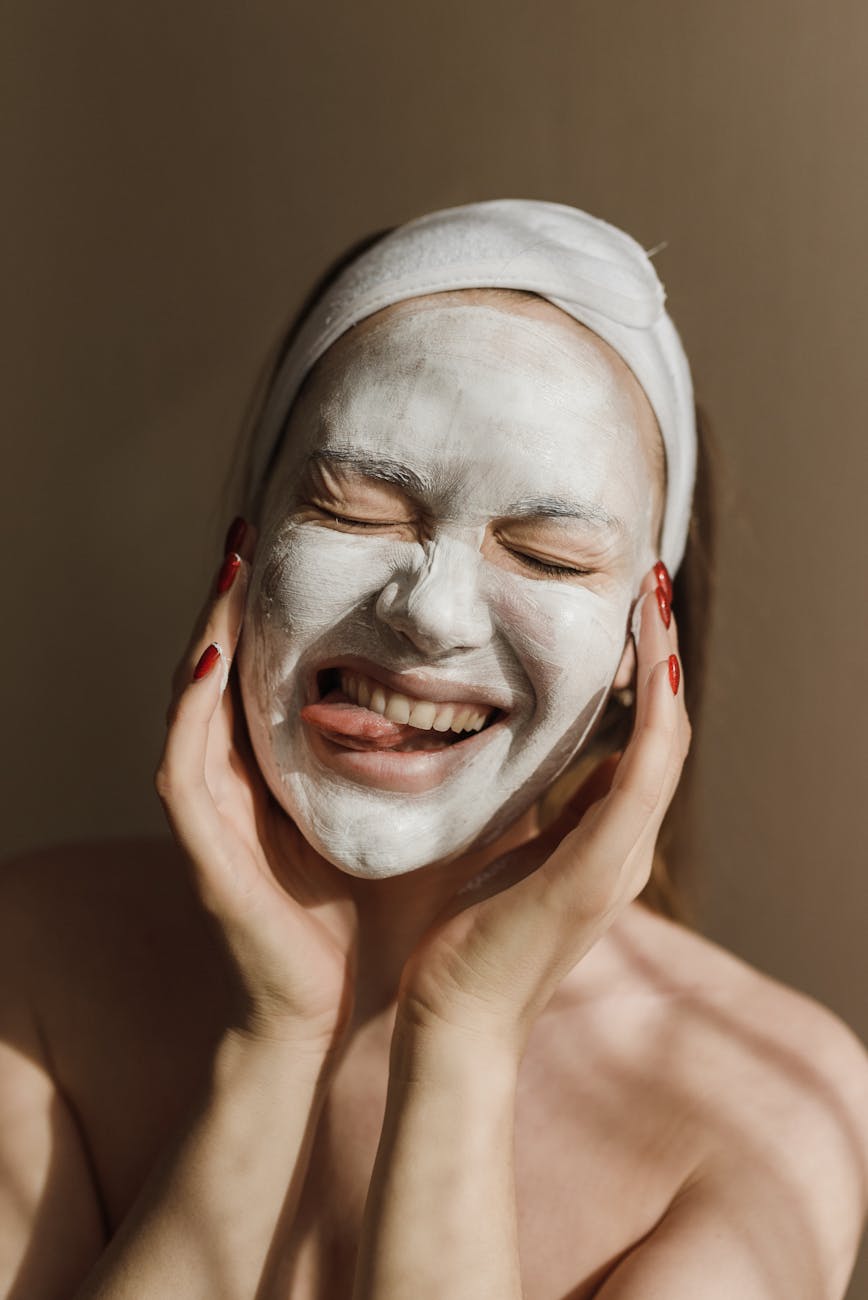
Anti-aging trends and miracle solutions seem to be flooding social media platforms, and it’s becoming increasingly difficult to discern fact from fiction and identify what actually works and what does not.
Considering the growing interest in anti-aging treatments, Dr. Louis A. Cona, MD, medical director of DVC Stem, a leading stem cell therapy clinic, gives a verdict on eight widespread anti-aging trends, offering clarity based on scientific evidence and clinical experience.
Sleeping on your back prevents wrinkles – Verdict: True
Have you ever heard that sleeping on your back is the best way to prevent wrinkles from forming?
According to Dr. Cona, there’s some truth to this, as repeated pressure on the skin, which happens when you sleep on your sides or belly, can contribute to wrinkle formation over time.
“While changing sleep positions can help, investing in silk pillowcases and maintaining a proper skincare routine are also effective measures to protect the skin during sleep,” he explains.
The expert also explains that sleeping on your back gives your skin a better chance of absorbing the night creams you apply, which in turn can help to reduce wrinkle formation. So even if you eventually roll onto your side during the night, falling asleep on your back can go a long way in keeping your skin looking youthful.
Collagen supplements reverse aging – Verdict: Myth
Collagen supplementation is often portrayed on social media as an effective way to restore youthfulness, improving skin elasticity and reducing wrinkles.
Besides powder or capsule supplements, social media users are also fans of bone broth, with many videos suggesting that consuming it can boost your collagen production and reverse aging.
“Although collagen is essential for skin elasticity, supplementation with it doesn’t guarantee it will reach the skin in a functional form. The body breaks down proteins into amino acids during digestion, which are then used as needed—for muscles, bones, connective tissue or skin. There’s actually limited evidence that these supplements directly improve skin appearance,” explains Dr. Cona.
So while collagen supplementation may support overall protein intake, a balanced diet rich in protein, vitamins, and minerals is more effective. If you want to supplement, do it knowing it may have zero effect on your face’s appearance.
Anti-aging creams can erase wrinkles overnight – Verdict: Myth
If you go to a pharmacy, you’ll see many over-the-counter anti-aging products claiming to eliminate wrinkles and signs of aging almost immediately. Many brands also have partnerships with influencers, who will then take to social media to promote these miracle products.
The reality is that while some creams do improve skin hydration and texture, there’s no magic formula that can erase wrinkles overnight. Most effective anti-aging treatments require consistent use over time and may only provide modest improvements.
There are creams that can smooth fine lines and wrinkles when you apply them, giving a temporary filler effect, but once you wash your face and remove the product you’ll notice the lines will reappear.
“Skin aging is a complex process influenced by various factors. Topical products can support skin health, but they can’t reverse deep wrinkles instantly. There’s no such thing as a miraculous formula, and products that brand themselves as such are likely lying,” observes Dr. Cona.
Exercise and cardio reverse aging of face and body – Verdict: Myth, with a pinch of truth
Physical activity is scientifically associated with numerous health benefits, but can it turn back the clock?
Exercise is undeniably beneficial. Regular physical activity improves circulation, boosts oxygen supply to the skin, and can enhance muscle tone. All of these can reduce skin stress and inflammation, and contribute to a more youthful appearance, but ultimately, they won’t reverse skin aging.
“While exercising promotes overall health and can mitigate some aging signs, it’s not a reversal. It’s a preventive measure that supports the body’s functions as we age,” explains Dr. Cona.
Korean skincare can prevent skin aging – Verdict: Partially true
The multi-step Korean skincare routine is hailed for achieving flawless, youthful skin, and some believe that following this regimen or using Korean products can be a more effective way to slow down skin aging.
While Korean skincare particularly emphasizes hydration and sun protection, which are vital for healthy skin, it’s not a magical solution. Skin aging is influenced by genetics, lifestyle, and environmental factors.
“No skincare routine alone can prevent aging. Korean skincare can enhance skin health, but it should be tailored to individual needs and complemented by healthy lifestyle choices,” observed Dr. Cona.
Antioxidant-rich diets can slow down aging – Verdict: True
Diets high in antioxidants are said to combat oxidative stress, with foods rich in vitamins C and E, beta-carotene, and other antioxidants, often being promoted on social media for their anti-aging benefits.
The truth, according to the stem cell specialist, is that antioxidants do neutralize free radicals that can damage cells. This means that a diet abundant in fruits, vegetables, and whole grains can actually support skin health and potentially slow aging processes.
The medical director notes, however, that diet is one piece of the puzzle, and that while it’s beneficial and slows down aging signs, it should be part of a comprehensive approach that includes skincare, sun protection, and an overall healthy lifestyle.
Facial yoga exercises reduce wrinkles – Verdict: Unproven
Facial yoga involves exercises intended to tone facial muscles, with social media users claiming it reduces wrinkles and sagging skin, providing a natural facelift effect.
Dr. Cona explains, however, that there is limited evidence supporting facial exercises for anti-aging. “While muscle toning can enhance facial appearance, repetitive movements may also deepen expression lines and contribute to dynamic wrinkles.”
If you choose to practice facial yoga, the stem cell specialist suggests you do it gently and with the understanding that there might not be any results—in fact, you could suffer from a rebound effect.
Sunscreen can cause cancer – Verdict: Myth
Daily sunscreen is one of the best ways to prevent skin aging, as ultraviolet (UV) rays contribute to premature aging signs like wrinkles and pigmentation. However, many influencers have taken to their social media profiles recently to suggest that sunscreen can cause cancer due to the chemicals it contains.
“This is absolutely false, and a rather potentially dangerous belief, as it can lead to people skipping SPF use and protection. There is no scientific evidence supporting the idea that sunscreen causes cancer. On the contrary, numerous studies have shown that regular use of sunscreen helps protect the skin from harmful ultraviolet (UV) rays, which are a significant risk factor for skin cancer, including melanoma.
“Sunscreen should be applied daily, regardless of weather—UV rays penetrate clouds and can be reflected by surfaces like snow and water—and reapplied as needed,” explains Dr. Cona.



Leave a Reply