
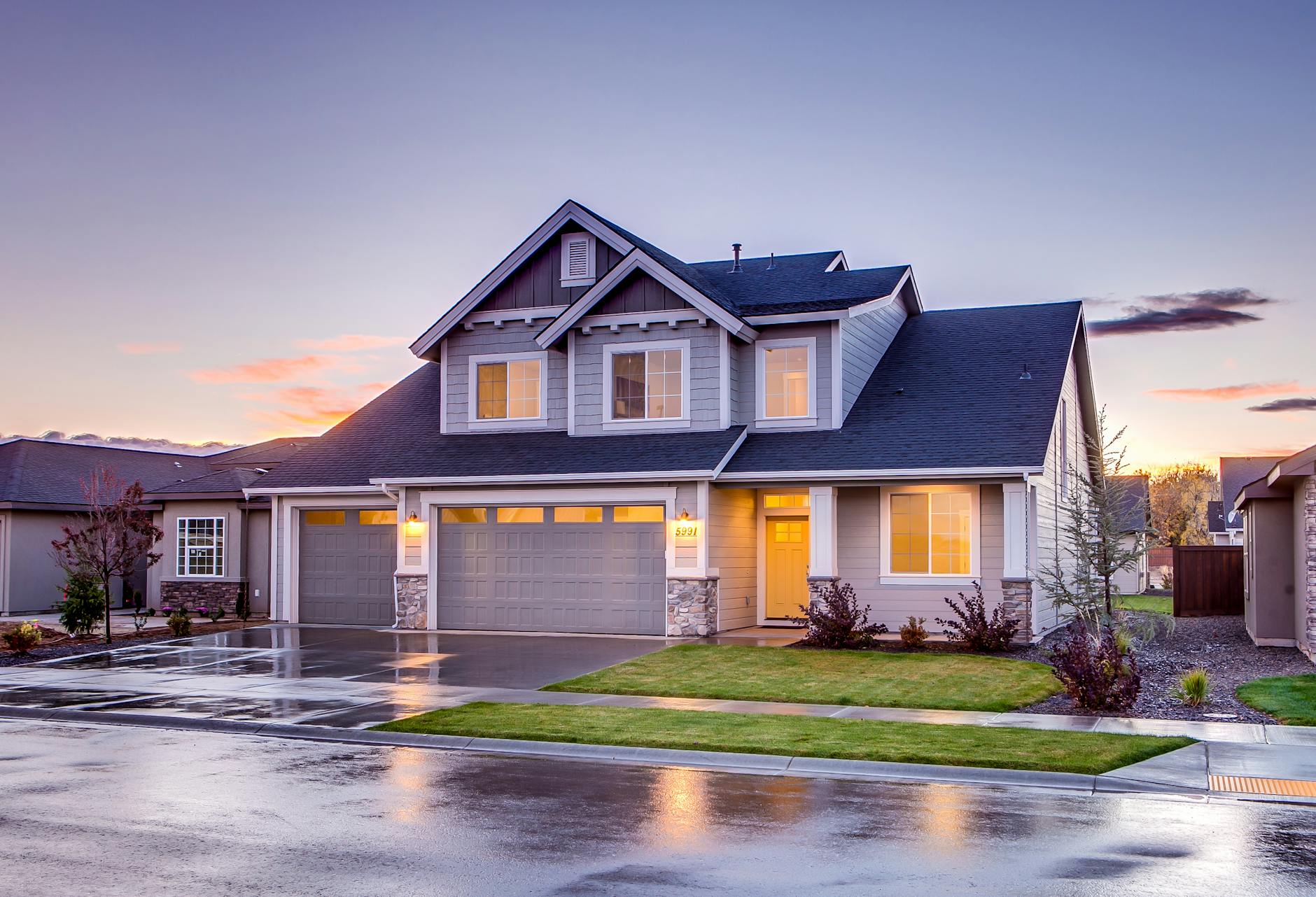
- Nevada ranks seventh overall, with 16.74% of occupied homes being built after 2010.
- Texas has the highest rate of new-build homes of any state in the country, with 22.5% of occupied housing units built since 2010.
- Across the United States, homes built from 2010 make up 11.99% of all occupied housing units.
Nevada is among the states with the highest rate of new-build homes, a new report has found.
The team at The Steamboat Group analyzed data from the United States Census Bureau on the total number of occupied homes in each state, as well as how many of these homes were built after 2010. They found the percentage of occupied homes that were built after 2010 to reveal the states with the most new-build homes.
The top ten states with the highest percentage of homes built after 2010
| Rank | State | Total number of properties | Properties built from 2010 | Percentages of properties built after 2010 |
| 1 | Texas | 11,087,708 | 2,495,270 | 22.50% |
| 2 | North Dakota | 331,481 | 68,765 | 20.74% |
| 3 | Utah | 1,129,660 | 233,297 | 20.65% |
| 4 | Idaho | 717,151 | 143,474 | 20.01% |
| 5 | South Carolina | 2,136,080 | 421,785 | 19.75% |
| 6 | North Carolina | 4,299,266 | 781,093 | 18.17% |
| 7 | Nevada | 1,198,356 | 200,603 | 16.74% |
| 8 | Delaware | 402,334 | 66,338 | 16.49% |
| 9 | Colorado | 2,384,584 | 388,751 | 16.30% |
| 10 | Tennessee | 2,846,684 | 447,741 | 15.73% |
Texas topped the study as the state with the highest percentage of new-build properties. Housing structures built since 2010 totaled 2,495,270, making up 22.5% of all homes in the state. Residents of Texas are more likely to live in a new, modern property than any other state across the country.
North Dakota fell just short of Texas on the new report, claiming the second-highest rate of new-build properties. The latest Census figures revealed a total of 331,481 occupied housing units state-wide, 68,795 of which were structures built from 2010 onwards. These findings meant new-build properties made up 20.74% of the housing stock in North Dakota, more than almost any other state in America.
Utah secured third place in the study in recognition of its high rate of new-build properties. Around 20.65% of all properties in the state were constructed in 2010 or after, making it one of the country’s top-performing destinations for new-build homes. Of the 1,129,660 occupied properties, approximately 233,297 were built post-2009.
Residents in Idaho also have some of the best access to new-build properties of any state in America. Placing fourth in the latest ranking, Idaho is home to 143,474 properties built from 2010, which make up 20.01% of all housing units in the state.
South Carolina rounded out the top five, with 19.75% of homes state-wide built post-2009. According to the latest Census data, there are 2,136,080 occupied housing units across South Carolina, with 421,785 recognized as structures built since 2010.
North Carolina was named the state with the sixth-highest rate of new-build homes. A total of 781,093 homes have been built in the state since 2010, representing 18.17% of the total housing supply statewide.
Nevada, Delaware, Colorado, and Tennessee filled out the top 10 states with the highest percentage of new-build homes. Properties built post-2009 make up over 15% of the total occupied housing units in each state.
Rhode Island and Connecticut have the lowest rate of new-build properties in America. Homes constructed since 2010 are just 4.59% and 5.74% of each state’s occupied properties. States with a high population, such as New York, Illinois, and Michigan, also ranked low in the study.
A spokesperson for The Steamboat Group commented on the new findings:
“Interestingly, states located predominantly in the South or the West ranked highest in the study, with nine of the top states located in either region. What this tells us is that infrastructure is being heavily prioritized in these areas, with homebuyers, particularly first-time buyers being more exposed to affordability when it comes to buying a home as new build schemes often offer lower rates.
“It’s important however, to ensure that thorough checks are made on newly built properties, not just for safety but to be financially responsible if you’re investing into a property.”




Leave a Reply