
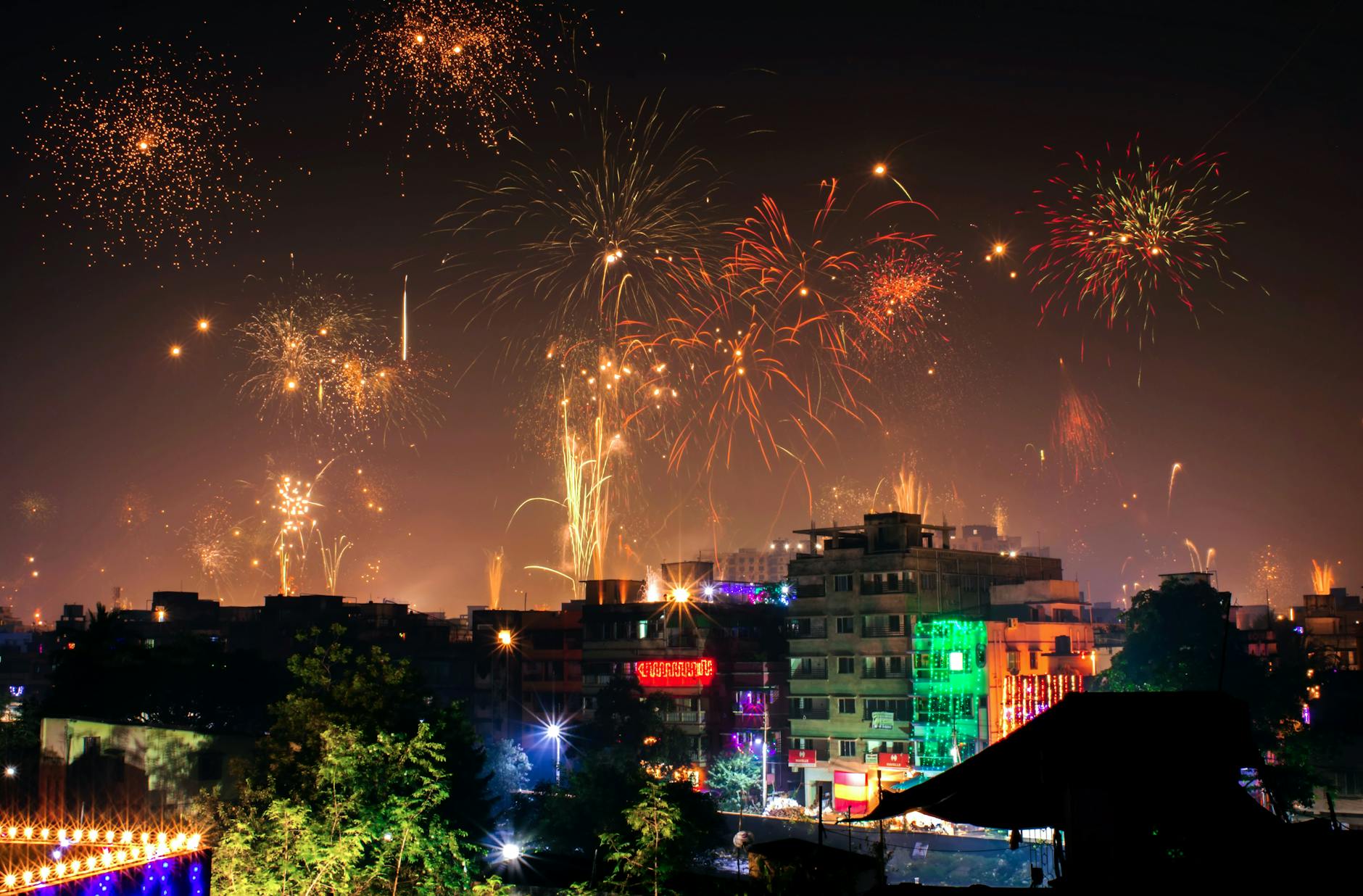
There’s something magical about learning from the traditions and celebrations that light up cultures around the world — and few shine as brightly as Diwali, the Festival of Lights.
Celebrated by millions across the globe, Diwali isn’t just about dazzling candles and colorful fireworks — it’s a deep, meaningful celebration of hope, renewal, and the triumph of light over darkness.

So, What Exactly Is Diwali?
Diwali, also known as Deepavali, is one of the most important festivals in India and is celebrated by Hindus, Sikhs, Jains, and some Buddhists.
The name itself comes from the Sanskrit word Deepavali, meaning “a row of lights.”
The festival usually lasts for five days and typically falls between October and November, depending on the lunar calendar.
Each day holds special significance — from cleaning and decorating homes to honoring deities, exchanging gifts, and sharing delicious sweets with family and friends.
The Deeper Meaning Behind Diwali
At its heart, Diwali celebrates the victory of light over darkness, good over evil, and knowledge over ignorance.
For many Hindus, it commemorates Lord Rama’s return to Ayodhya after a 14-year exile and his victory over the demon king Ravana — a story that symbolizes the ultimate triumph of righteousness.
In other traditions, Diwali honors Lakshmi, the goddess of wealth and prosperity. Homes are cleaned and adorned with lamps (diyas) to invite her blessings for the year ahead.
For Sikhs, Diwali marks the release of Guru Hargobind Ji and 52 kings from captivity — a powerful story of freedom and faith. And for Jains, it commemorates the spiritual enlightenment of Lord Mahavira.
No matter the origin, the central message remains the same: Diwali is about renewal, reflection, and light — both literal and symbolic.
How Diwali Is Celebrated
If you’ve ever witnessed a Diwali celebration, you know it’s an explosion of joy, color, and light.
Homes glow with rows of flickering diyas, vibrant rangoli designs decorate doorsteps, and the air fills with the scent of sweets like ladoos and barfis.
Families come together to share meals, exchange gifts, and enjoy fireworks that light up the night sky.
It’s a moment to pause, give thanks, and set positive intentions for the year ahead.
Why Learning About Diwali Matters
Exploring traditions like Diwali helps us appreciate the beauty in our world’s diversity.
Understanding the stories, symbols, and values behind celebrations opens doors to empathy and connection — things our world can always use more of.
Even if you don’t celebrate Diwali personally, you can still honor its message.
Take a moment to reflect on your own “light” — what gives you hope, what helps you stay grounded, and how you can share that light with others.
The Takeaway
Diwali is more than a festival — it’s a reminder that even in our darkest moments, light will always find a way.
So this year, whether you celebrate with diyas, fireworks, or simply a candle on your windowsill, take a moment to embrace the spirit of Diwali: hope, gratitude, and the belief that light will always prevail.




Leave a Reply