
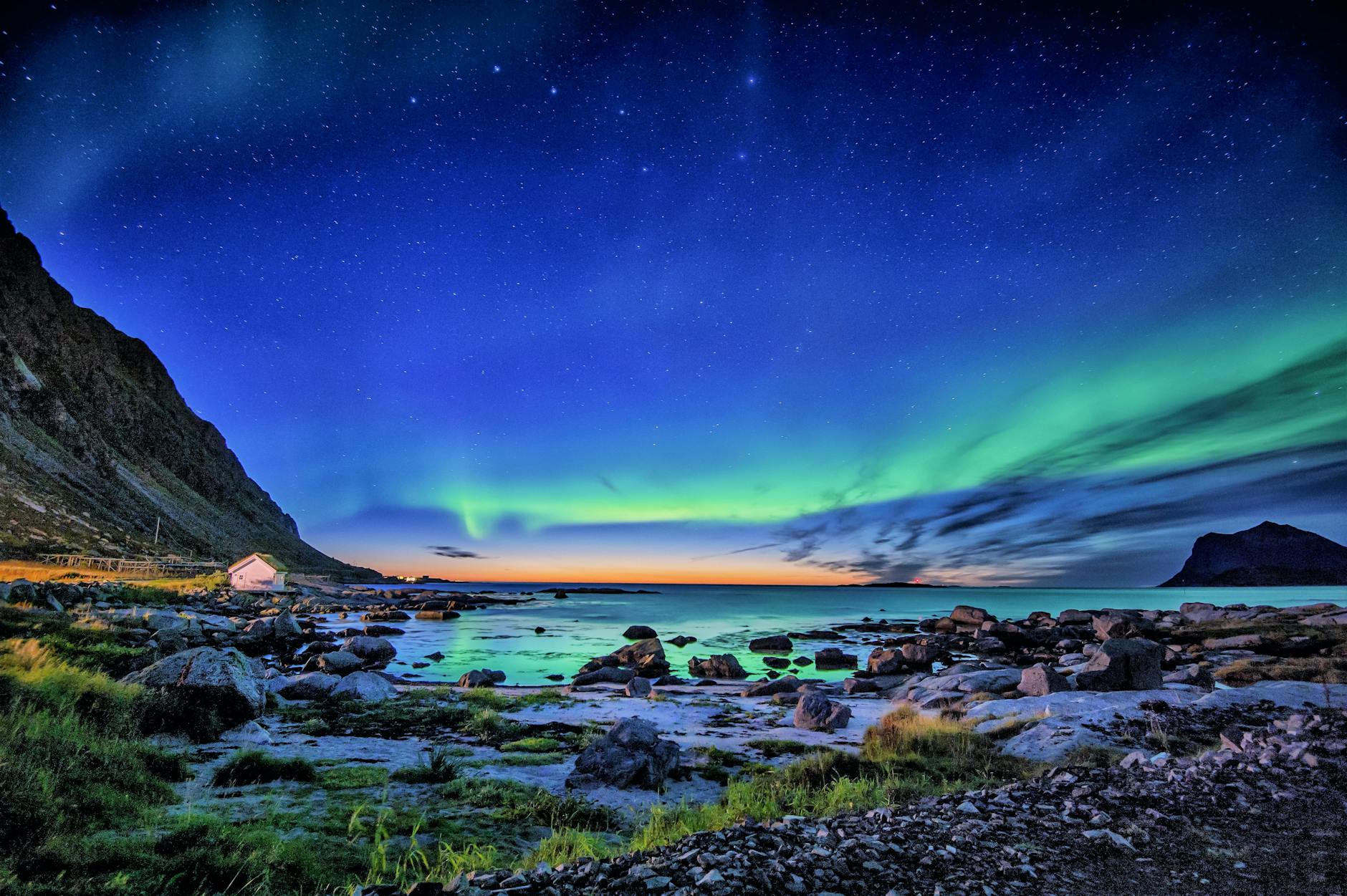
- Akureyri tops the list as Iceland’s best Northern Lights viewing location
- Múlaþing and Fjarðabyggð secure second and third positions
- Reykjavík, despite being Iceland’s capital, ranks only fourth
A new study has identified Akureyri as the optimal location in Iceland for spotting the elusive Northern Lights, according to research by Cars Iceland, an Iceland car rental company.
The study analyzed 11 Icelandic towns and cities, evaluating them based on four key factors that influence Northern Lights visibility: population density, cloud cover percentage, aurora activity score, and the average daylight time during the Northern Lights season.
These metrics were used to calculate an overall score for each location out of 100 and ranked them accordingly.

| Rank | Location | Population | Average Cloud Cover Percentage | Aurora Activity Score | Overall Score (Out of 100) |
| 1. | Akureyri | 19,812 | 40.20 | 129.26 | 81.29 |
| 2. | Múlaþing | 5,177 | 37.96 | 141.06 | 66.83 |
| 3. | Fjarðabyggð | 5,163 | 37.96 | 141.06 | 64.15 |
| 4. | Reykjavík | 136,894 | 60.99 | 73.66 | 28.51 |
| 5. | Kópavogur | 39,335 | 60.99 | 73.66 | 21.56 |
| 6. | Hafnarfjörður | 30,616 | 60.99 | 73.66 | 19.84 |
| 7. | Akranes | 8,071 | 57.91 | 81.71 | 17.53 |
| 8. | Garðabær | 19,088 | 60.99 | 73.66 | 16.27 |
| 9. | Reykjanesbær | 21,957 | 61.37 | 75.06 | 15.56 |
| 10. | Mosfellsbær | 13,403 | 60.99 | 73.66 | 13.97 |
| 11. | Árborg | 11,565 | 60.99 | 73.66 | 8.81 |
Akureyri, located in northern Iceland, achieved a leading score of 81.29 out of 100, making it significantly more favorable than any other location in the country. The town’s moderate population of 19,812 residents, low average cloud cover of 40.20%, and strong aurora activity score of 129.26 contributed to its top ranking.
In second place, Múlaþing scored 66.83 out of 100, benefiting from even lower cloud cover at 37.96% and higher aurora activity at 141.06. Its smaller population of 5,177 residents means less light pollution, creating near-perfect viewing conditions for the celestial phenomenon.
Fjarðabyggð secured third position with a score of 64.15 out of 100, offering similar conditions to Múlaþing with identical cloud cover and aurora scores, but slightly longer daylight hours during winter months.
The study shows that Iceland’s most populated areas scored poorly for Northern Lights viewing. The capital Reykjavík ranked fourth with just 28.51 out of 100, despite being the main destination for tourists hoping to witness the aurora. Its high population of 136,894 creates significant light pollution, while its high cloud cover of 60.99% and low aurora score of 73.66 further diminish viewing opportunities.
Other large towns in the Greater Reykjavík area, including Kópavogur and Hafnarfjörður, performed similarly poorly, scoring 21.56 and 19.84 respectively, ranking fifth and sixth in the index.
The coastal town of Akranes achieved seventh place with a score of 17.53, followed by Garðabær at 16.27, Reykjanesbær at 15.56, and Mosfellsbær at 13.97.
Árborg ranked last among the analyzed locations with a score of just 8.81 out of 100, suffering from high cloud cover and poor aurora activity scores.

A spokesperson for Cars Iceland commented on the findings,
“The results clearly show that tourists visiting Iceland solely to see the Northern Lights would be wise to venture beyond Reykjavík. Many visitors don’t realise that the capital is actually one of the worst places to witness this natural spectacle.
“Northern Iceland, particularly Akureyri, offers not only better aurora viewing conditions but also fewer tourists competing for the best viewing spots. The combination of clearer skies, stronger aurora activity, and less light pollution creates ideal conditions for experiencing this bucket-list phenomenon.
“For those staying in Reykjavík, I recommend taking a 7-10-day trip and spending at least 3-4 nights in the north. This significantly increases your chances of seeing a strong aurora display, especially during peak season between October and March.”
The study used data from four main factors to calculate each location’s score: population figures from 2024, average cloud cover percentages from May 2025, average aurora activity scores from May 2025, and the average daylight times from October 2024 to April 2025.




Leave a Reply