
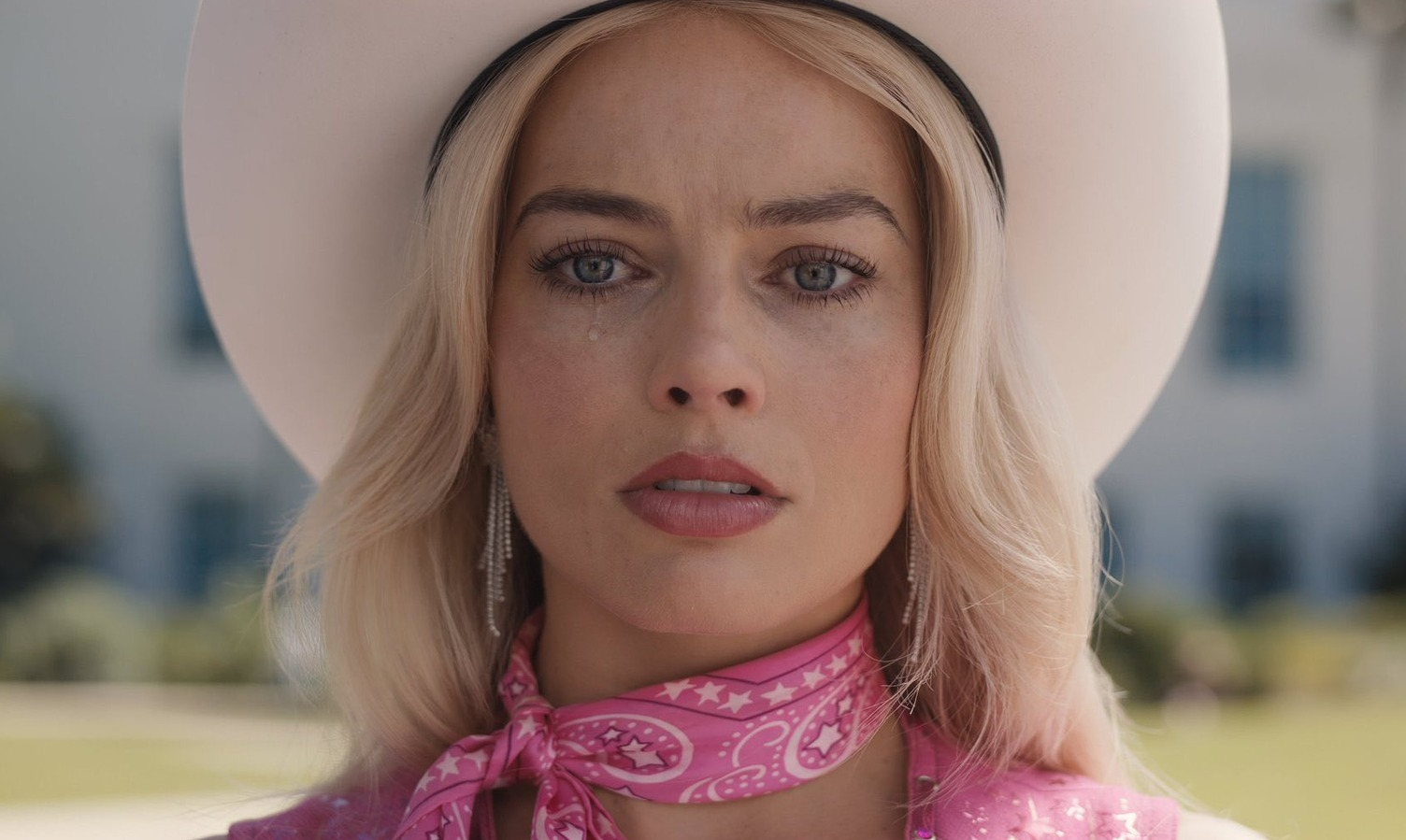
Greta Gerwig’s Barbie is a powerful message to women that exceeded expectations and wasn’t the movie people thought it would be – it’s so much more.
The trailers released for the film made sure that the plot remained a secret from excited audiences.
It made it seem like it was about Barbie having a good time on Barbieland and would somehow end up in the human world.
Greta surprised people as they got to go on an emotional journey with Barbie, played by Margot Robbie.
Her vision and message was made clear: This movie was to be a love letter to women.
Greta Gerwig’s message to ‘Barbie’ viewers is full of love, empowerment, and candor
Greta first teased a potential Barbie movie when she participated in Vogue’s 73 Questions back in 2020.
Greta manages to redefine Barbie and what it means to be a woman.
Not only do Barbie fans get to see the Barbieland come to life through stunning visuals, but they get the chance to explore and question the struggles that women have faced in the past and in modern times.
You leave the theater with a newfound sense of self and questioning your own existence.
At the beginning of the movie, the Barbies hold positions of power and intelligence, positions society associates with men, while the Kens are the cheerleaders and the ones that take a step back. The Kens are in charge of roles and expectations normally associated with women.
This “reversal of sexism” isn’t intended to say that women are seeking to oppress men, it’s meant to give a glimpse into the female experience so that maybe, just maybe, women are seen as enough.
Michael Cera’s character, Allen, is Greta’s way of reassuring the audience that not all men are Kens and that they’re men in the world who do support women and value their experience.
It’s refreshing to see someone like Barbie, an icon, question her worth because people associate her with perfection.
She’s supposed to represent the perfect physique, perfect hair, perfect skin, perfect age, etc., but women seem to leave out an important factor when criticizing the doll.
That factor is that little girls don’t think they’re supposed to look like Barbie until society tells them they have to.
The powerful scene that was almost cut

In a scene that was almost cut from the film, Barbie has a beautiful moment with an elderly woman after she realizes that in the real world, women aren’t equal to men.
They’re both sitting on a bench and Barbie looks over at her and says “You’re so beautiful.”
This small but impactful encounter shows Barbie coming to terms with her fear of imperfection and seeing the beauty of it instead.
There have been some controversial Barbies, which the film briefly touched on, that have added to young girls and women being told to hate Barbie for the patriarchal ideologies that people have said she stands for (rightfully so).
However, Sasha, played by Ariana Greenblatt, made an excellent point by saying, “Women hate women.”
Women are their own toughest critics because that’s what they’ve been trained to do by society.
Nothing a woman does satisfies everyone, someone will always complain about a woman falling short.
In a moving monologue, America Ferrera’s character, Gloria, gives a brief insight into what impracticalities women are subjected to in the real world.
“You have to answer for men’s bad behavior, which is insane, but if you point that out, you’re accused of complaining,” Gloria says. “Not only are you doing everything wrong, but also everything is your fault.”
This powerful moment sums up what it means to be a woman and the contradictions that come with it.
She also mentions that women have to love motherhood, but not too much that it becomes all they talk about.
They have to be thin, but not too thin, but still thin. They have to be a boss, but not bossy. They have to be ambitious, but they have to limit their ambitions.
“Women tie themselves into knots so that people will like us,” Gloria says.
People don’t realize how exhausting it is to be a woman and Greta’s recognition of this in a movie about a doll that’s associated with perfection lets women know that they’re seen and heard.
This movie poses a thought-provoking question: “What was I made for?”
The part that Greta solidifies the movie being a love letter to women is the montage scene where Barbie sees the complexity and the beauty of womanhood outside of Barbieland and questions her significance as Billie Eilish’s “What Was I Made For?” plays in the background.
As Barbie sees and questions this, women watching also see and question their own lives, reminiscing on how far women have come.
They see just how wonderful life is and that amidst suffering, there is happiness.
Women can be anything. They don’t need to have everything figured out, that’s the marvel of life.
Life will knock them down time and time again, but without the pain, there’s no joy. Everything has to correlate because, without it, everything is meaningless.
As the movie pointed out, “Because Barbie can be anything, women can be anything.”
Women are enough.



Leave a Reply